
As the data center industry continues its meteoric rise, the need for more capable facilities is intensifying. According to McKinsey, $6.7 trillion of capital expenditure will be deployed in data center infrastructure by 2030. As facilities propagate around the world, they’ll be expected to support increasingly complicated and at times conflicting dynamics, such as rising energy demands and stringent sustainability standards.
Tasked with wrestling these challenges and more with innovative solutions and services at Hitachi is KJ Joshi, Chief Business Officer and Global Head of Data Center Business. With more than 25 years of experience in the data center industry, Joshi has watched facilities grow in size, scope, capability, and capacity to meet evolving expectations.
So, as data center momentum builds, exploring Joshi’s industry expertise—as well as Hitachi’s scalable and sustainable data center initiatives—can help us better understand how we’ve arrived at this point and where the industry is headed next.
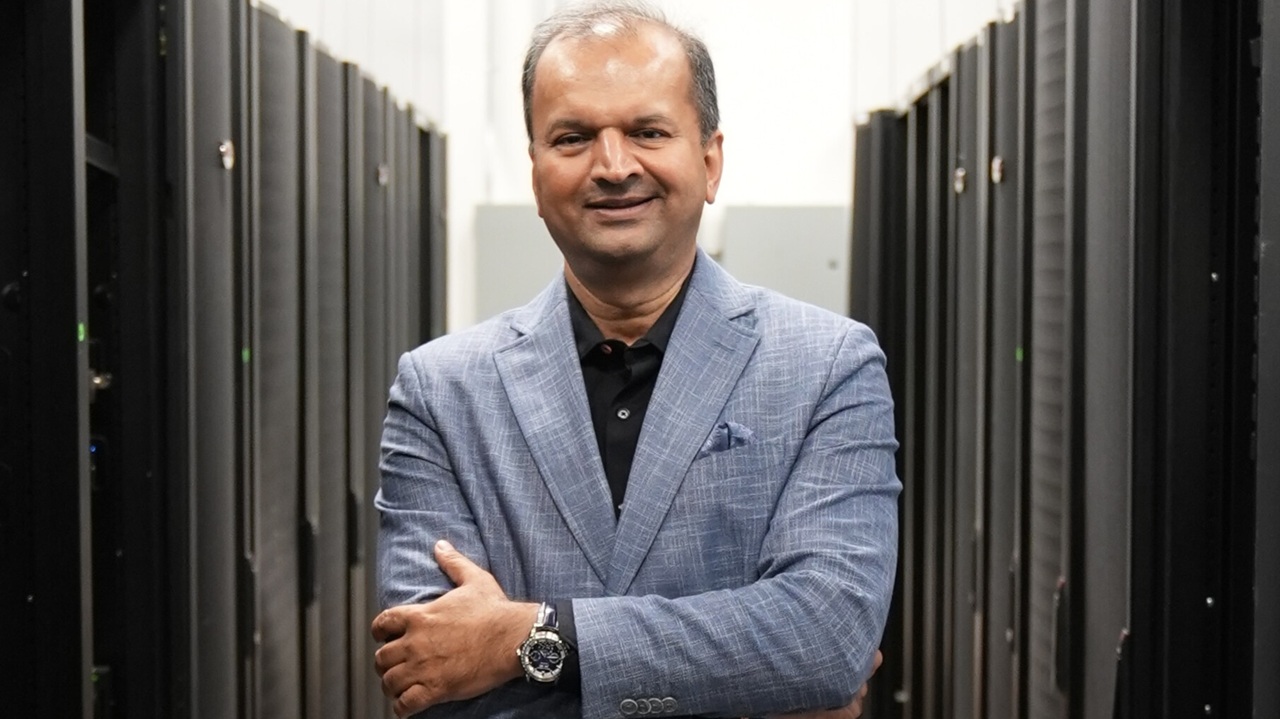
KJ Joshi leads Hitachi’s data center business
Joshi brings decades of expertise in the data center industry to his role at Hitachi. He began his career at Dell, working in several countries—including India, the UK, the Netherlands, and the U.S.—which first introduced him to the data center segment. He later spent 15 years at Equinix as Global Managing Director, where he led the hyperscale business for one of the world’s largest data center providers.
Building on this experience across global technology leaders, Joshi now spearheads Hitachi’s data center business as part of the Strategic Social Innovation Business (SSIB) unit based in Santa Clara, California. Established in 2025, the SSIB focuses on solving major global challenges, with data centers as one of its key focus verticals. In his role, Joshi is responsible for shaping go-to-market strategies and developing innovative solutions to meet growing AI and cloud demands. “I’m passionate about driving the growth of Hitachi’s data center business and leading its evolution for the future,” shared Joshi. He is committed to scaling Hitachi’s data center business globally by integrating technologies across the group and delivering sustainable, future-ready solutions.
Before we look too far into the future, however, it’s important that we reflect on the road that brought us here. The current surge in data center demand is far from a coincidence—rather, it’s the result of a historically steady stream of technological advancement that has only recently begun to accelerate.
“Ten years ago, it was all about the cloud,” noted Joshi. “Cloud had a lot of adoption across segments and sectors, which drove the initial demand for data centers.” The introduction and subsequent growth of cloud computing were ultimately reliant on the construction of capable data centers. These facilities provide the centralized physical infrastructure—servers, storage, power, cooling, and security—that cloud applications need to operate remotely.
As the cloud continued to evolve, data centers kept up by investing in a string of incremental improvements. For many years, that was enough. But we’ve now reached an inflection point thanks to another technology that’s drastically changed the market.
“In the last two or three years, data center demand has been driven primarily by artificial intelligence (AI),” shared Joshi. “That’s what is really driving the biggest growth, especially in regard to facility real estate and infrastructure.”
AI and hyperscale workloads inherently demand more than their cloud predecessors: more compute power, more energy resources, more processing capacity, and beyond. All of this must be accounted for in today’s facility designs, as should the reality that demand will only continue to grow.
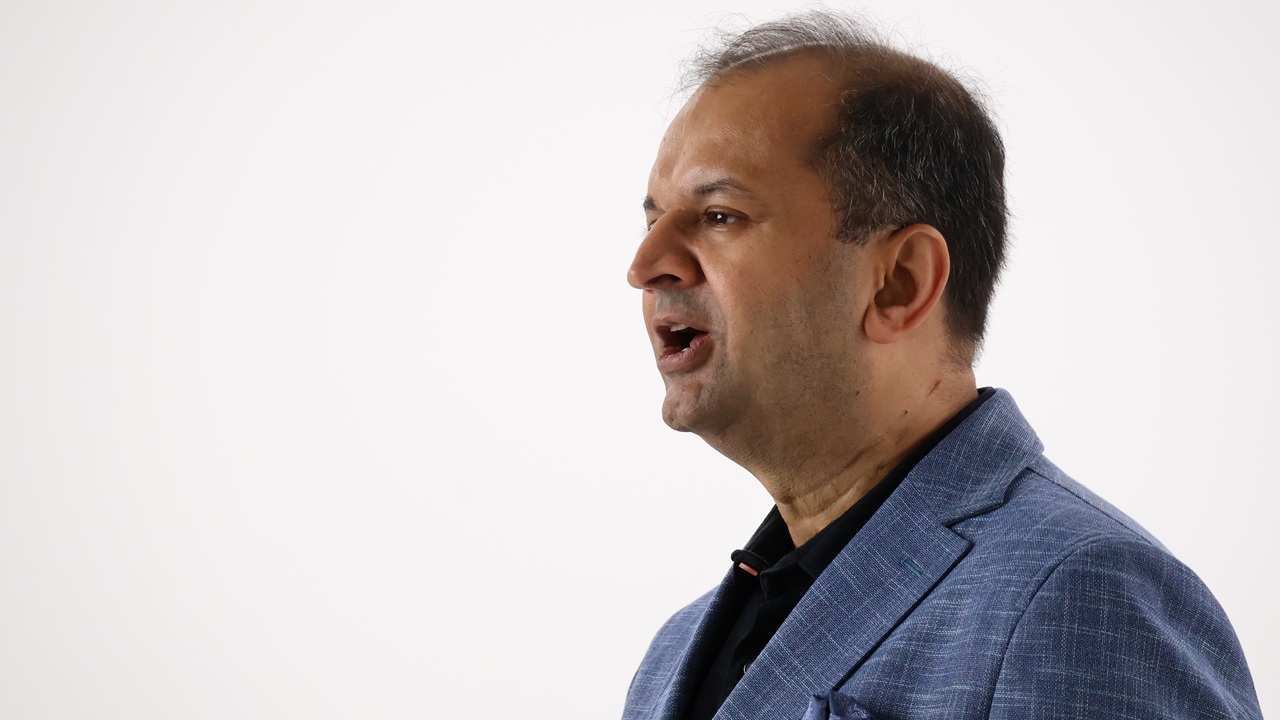
KJ Joshi during the interview
Accommodating these demands is easier said than done. Whether working with legacy data centers or starting from scratch, ensuring that infrastructure can meet the electrical, mechanical, and sustainability needs of advanced computing solutions creates a range of new engineering challenges for operators. These challenges include:
Addressing these challenges is not optional for data center designers, developers, and operators. This is where Hitachi plays a key role.
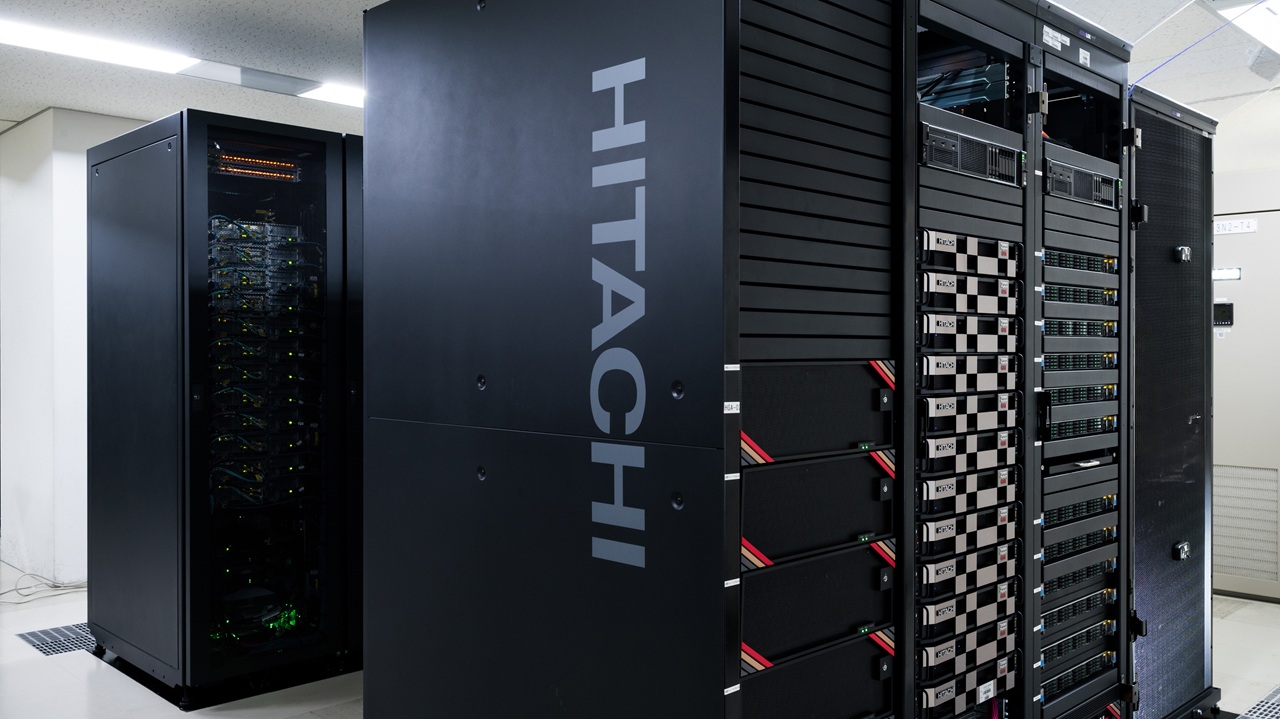
Hitachi offers advanced data center solutions
Scaling data centers to meet growing demand requires solutions that balance power, reliability, adaptability, and sustainability. With deep engineering expertise and global reach, Hitachi is well-positioned to help today’s facilities surmount these pressing obstacles.
To help address challenges at each level of data center operations, Hitachi offers a three-pronged approach that delivers solutions in three distinct categories:
Each of these offerings can be integrated into existing data center infrastructure individually. However, integration among all subsystems remains a challenge. While individual solutions exist for IT, mechanical, or electrical domains, no offering today unifies all three into a true single pane of glass. “Most vendors provide insights for one subsystem, but none integrate all three,” says Joshi. Hitachi is committed to delivering this integrated view to prevent failures, extend equipment life, and reduce total cost of ownership.
In a similar vein, Hitachi is embracing modularity to accelerate deployment and reduce overall costs. “Customers are showing strong interest in our modular and prefabricated solutions,” noted Joshi. “We have been receiving inquiries from AI companies across North America, Latin America, the Middle East, and Southeast Asia.” Prefabricating modules ultimately minimizes onsite work, labor testing, and commissioning, helping to bring data center solutions to market more efficiently and reliably while maintaining the quality customers expect. “We can deliver products up to 40 to 50% faster and 70% cheaper if we integrate them into a factory environment rather than building them onsite,” shared Joshi.
“The biggest constraint of growth in the data center industry is power availability,” emphasized Joshi. To meet growing demand and proactively combat grid delays and insufficient power supply, Hitachi takes a “Power First” approach to data center solutions. By combining their industry expertise with renewable and nonrenewable integrated solutions—including solar, geothermal, battery storage, and beyond—Hitachi can support resilient power supply systems for hyperscalers, AI innovators, and co-locators.
Related to this “Power First” strategy, Hitachi is advancing sustainable data center solutions across three vectors:
“The aim is to make sustainability practical without sacrificing performance,” adds Joshi, reducing emissions and total cost of ownership and ensuring seamless integration across design, operations, and end-of-life.
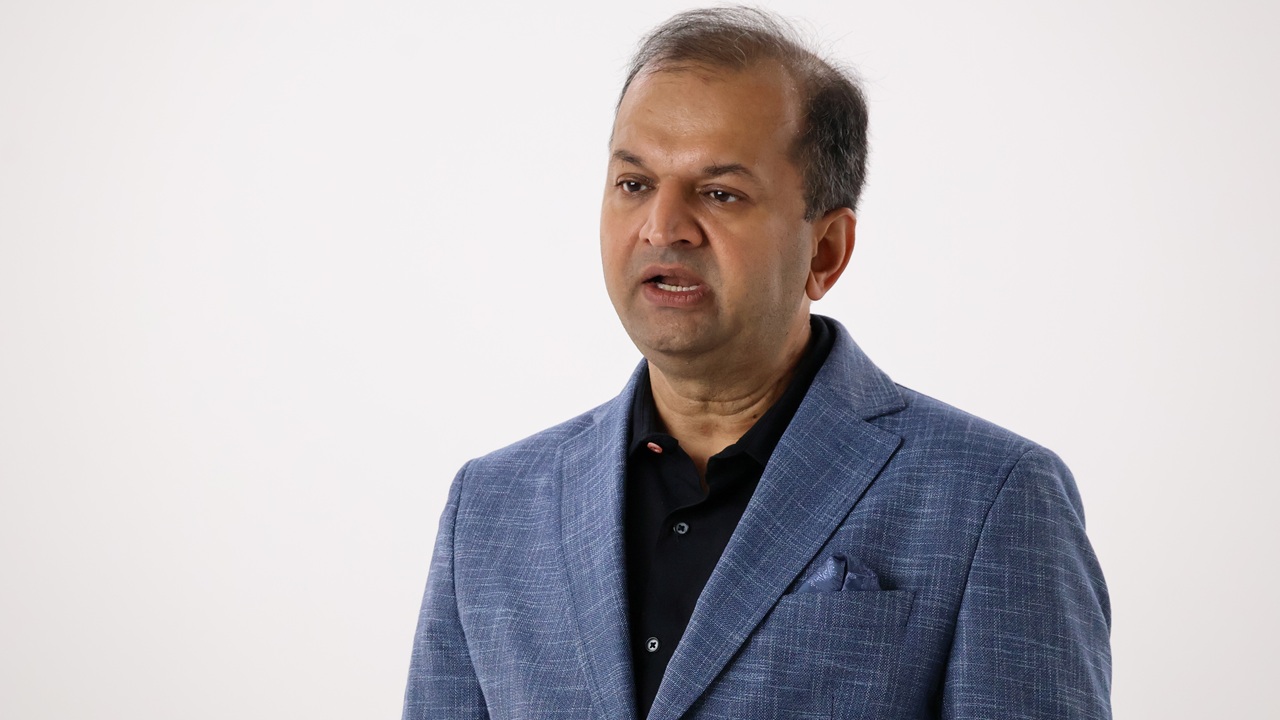
“What is valid today will not be valid tomorrow,” KJ Joshi stated
“The AI models of tomorrow will not be able to run efficiently on the data centers of today,” highlighted Joshi. Existing facilities lack the power density, thermal management capacity, and structural integrity required to reliably and sustainably support AI workloads. By rethinking data center design, investing in expansion, and implementing innovative solutions, Joshi and the Hitachi team are prepared to offer solutions that meet these challenges head-on. And through the data center business, Joshi is determined to grow the current $4 billion revenue to $10 billion by 2030.
The rapid evolution of AI and other technological solutions requires continuous adaptation. Amid this changing landscape, Hitachi is committed to providing long-term solutions. “We are very focused on delivering sustainable solutions to the data center industry so that we can sustain this over a 100-year, even 200-year period,” stated Joshi. With this mindset—and cutting-edge solutions to back it up—Hitachi aims to support the future of operational, optimized data centers for the AI-driven future.
Related Links: