
Part 1 | Lumada Business Award – Special Interview
As AI data centers rapidly proliferate, energy demand in the United States is soaring. At the same time, grid interconnection processes for new generation facilities have become a major bottleneck, leading to a growing backlog of power grid connection requests. To tackle this challenge, Hitachi mobilized its “One Hitachi” approach to dramatically reduce analysis time using its proprietary physics-based AI. This project earned the Grand Prize at the Lumada Business Award. Through interviews with key contributors, we explore the full story behind the project and the core technologies that made it possible.
With the rapid expansion of AI adoption, data center construction is accelerating around the world. Behind this boom, however, growing concerns are emerging over a serious power shortage, as the development of power infrastructure struggles to keep pace with rapidly rising demand. Nowhere is this issue more visible than in the United States.
Despite having sufficient generation capacity, the U.S. power sector faces a structural problem known as “interconnection queues.” Regulatory approvals and grid-connection constraints prevent new power generation sources from delivering electricity when and where it is needed. The bottleneck is being addressed by a “One Hitachi” team that brought together the full strength of the Hitachi Group.
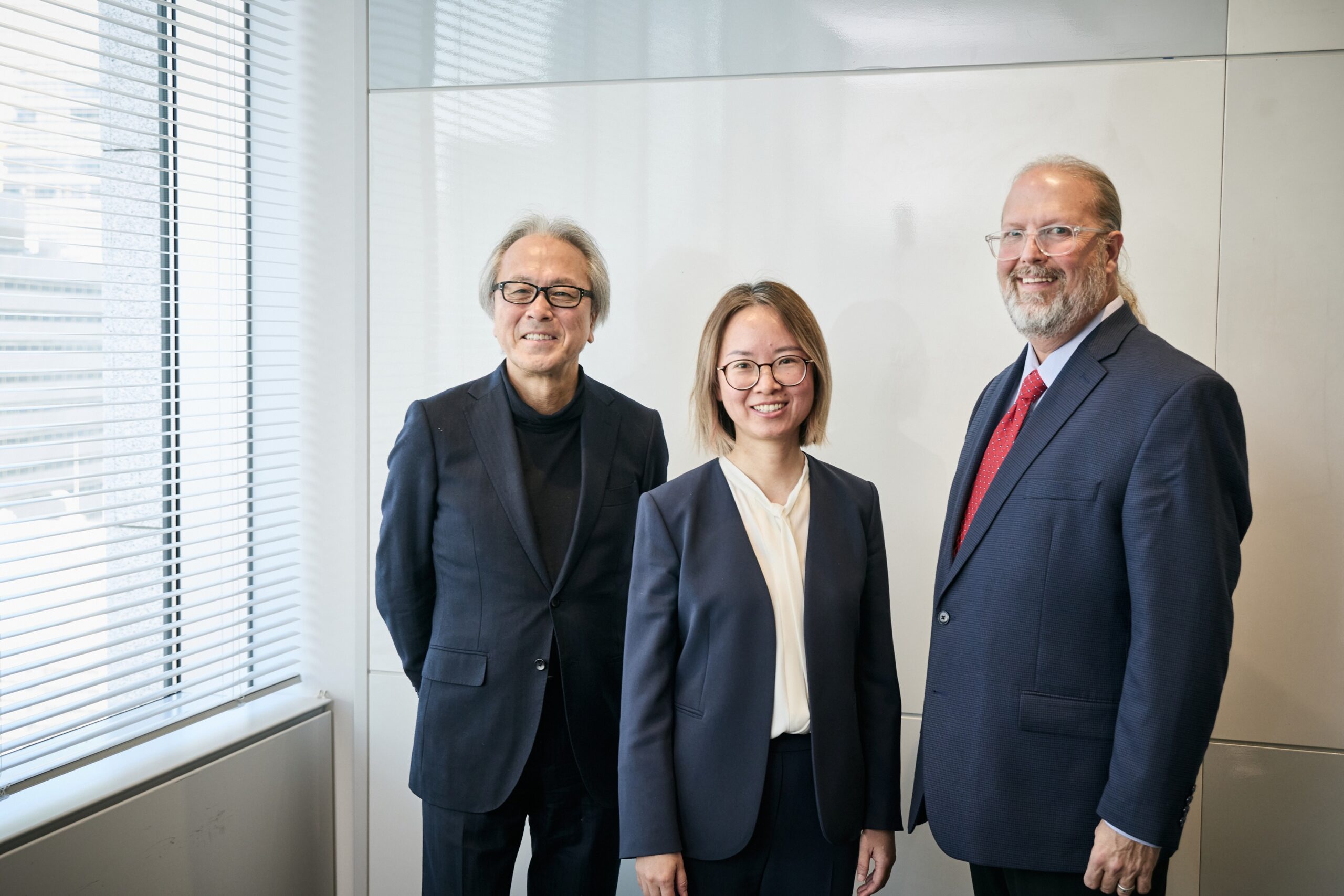
Hitachi, Ltd. (“Hitachi”) presents the Lumada Business Award to recognize outstanding initiatives that bring the entire Hitachi Group together to drive the global expansion of the Lumada business. This article takes an in-depth look at the Southwest Power Pool(SPP)* project, which received the award’s Grand Prize in recognition of its significant social impact and technological excellence. Yoshimitsu Kaji, Senior Principal at the Lumada Innovation Hub, sits down with the project’s key members to explore the potential of a “One Hitachi” approach—one that also offers insights into addressing energy challenges in Japan.
In recent years, electricity prices in the United States have risen faster than overall inflation. In some regions, prices have increased by more than 20% year over year. The main drivers are the cost of upgrading aging infrastructure and surging demand from data centers fueled by the AI boom. Compared with traditional facilities, AI data centers consume far more power per square meter.
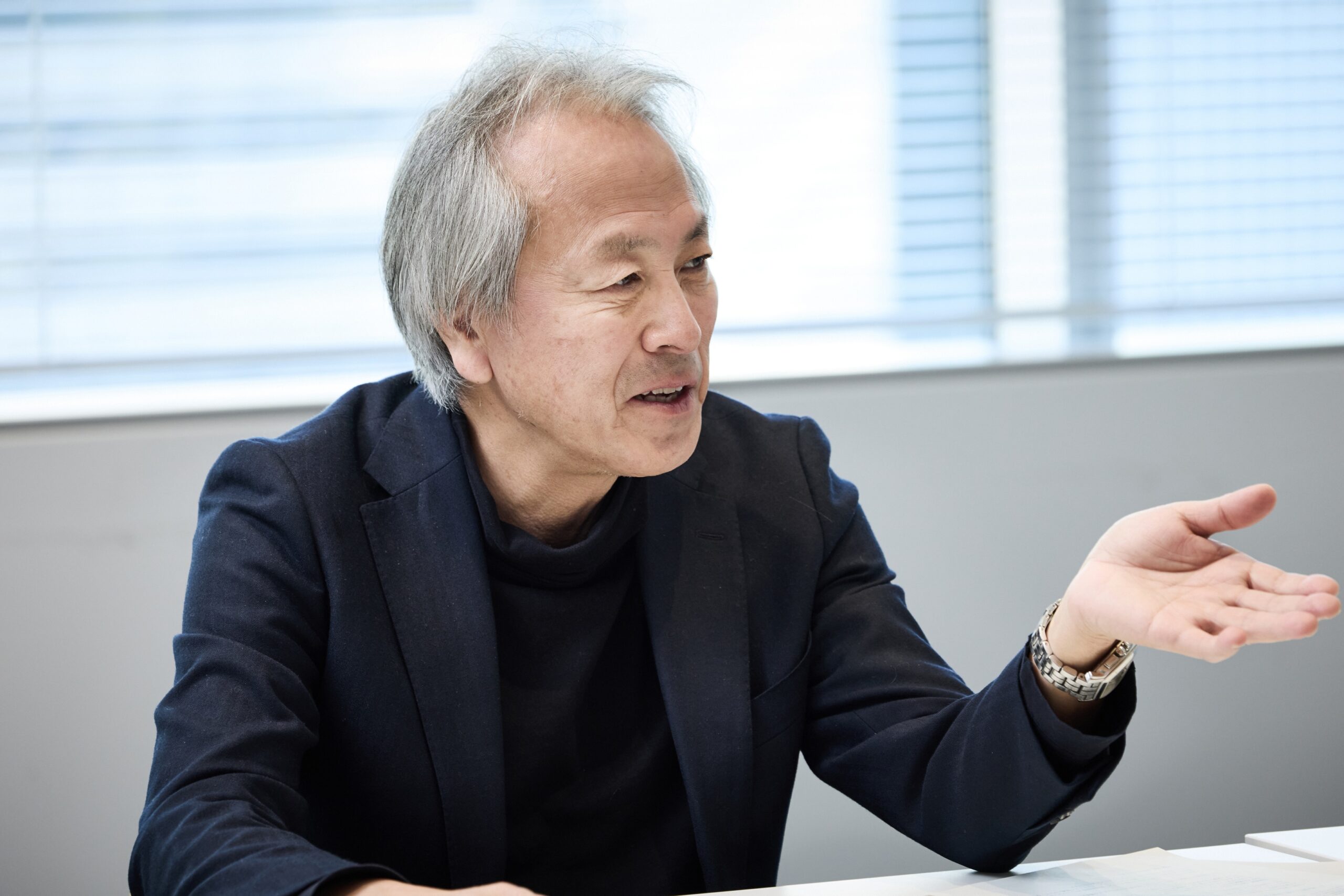
Against this global backdrop, Kaji posed a question: “Data center construction is also accelerating in Japan, but what is happening in the U.S., where this trend is further along?”
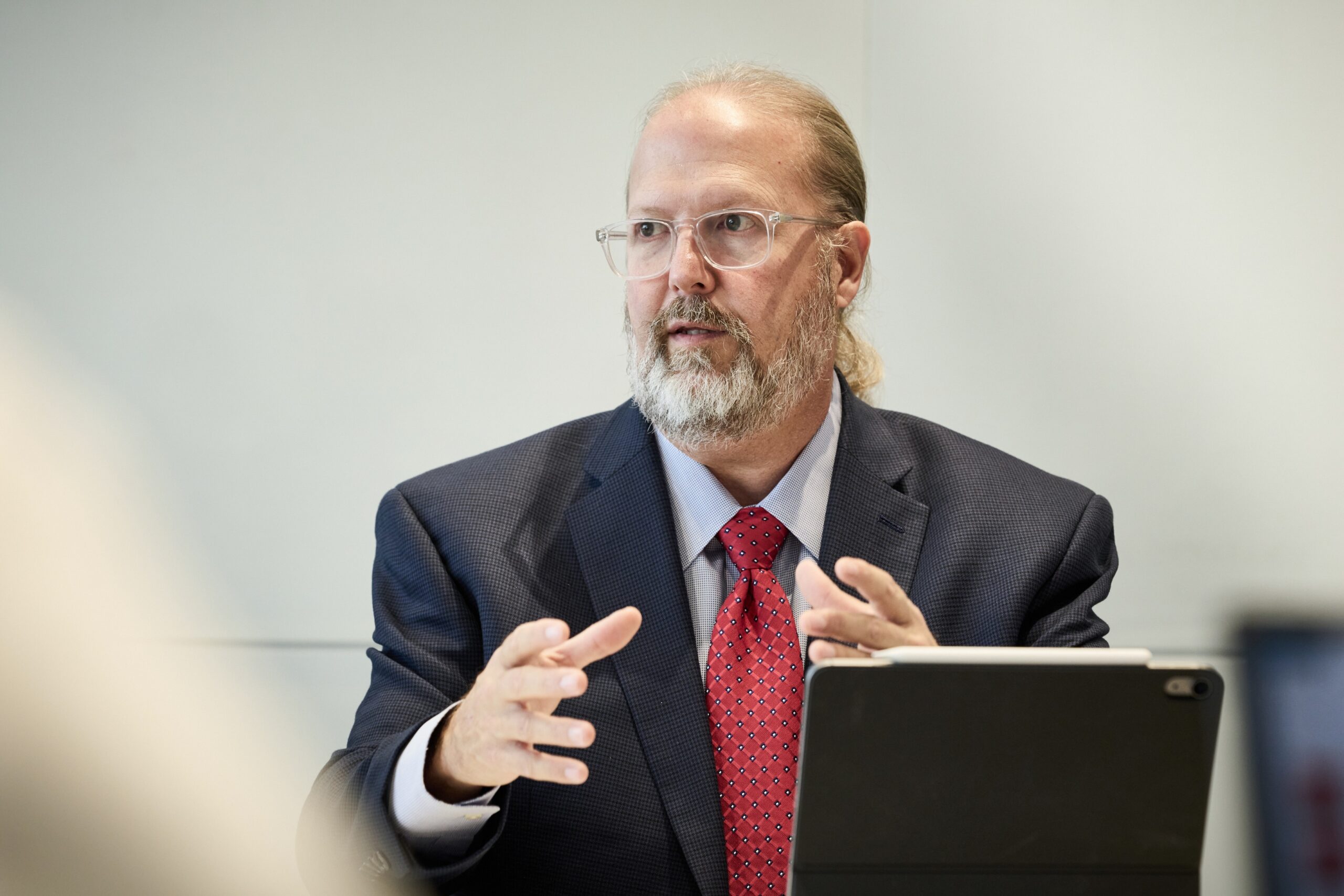
Shawn Monroe of Hitachi Vantara, who is the Principal Strategist for AI, explained the scale of the challenge:
“For the past 100 years, electricity demand in the U.S. grew at a modest annual rate of 1–3%. But projections show growth of 33–35% in 2025 and nearly 40% in 2026. That means a 300% increase in infrastructure load in just three years—far too rapid for infrastructure designed to last more than 50 years.”
This surge is hitting Regional Transmission Organizations (RTOs) particularly hard. RTOs manage large-scale transmission grids and review interconnection requests from power plants and data centers. Today, they are under intense pressure to improve efficiency while expanding infrastructure.
The award-winning project is taking place at Southwest Power Pool (SPP), one of the RTOs approved by the U.S. Federal Energy Regulatory Commission. SPP manages a vast power grid spanning 14 states, making it the second-largest RTO in the country.
Monroe explains the role as “reviewing interconnection requests from power generation developers.” When a developer proposes installing a generator at a specific location, the RTO is required to simulate the impact on the transmission network and identify where system upgrades may be needed before providing its response.
At SPP, however, the process of evaluating new generation projects—surveying the entire grid and producing analysis reports—took an average of 27.5 months. For large-scale projects, adding construction, commissioning, and interconnection meant that it could take more than five years before operations began.
Grid interconnection requires extensive studies, simulations, and complex engineering analyses. Delays in this process create a “waiting state,” where generation resources are ready but cannot deliver power. Meanwhile, new data centers continue to connect to the grid, increasing demand. SPP found itself in a dilemma: how to dramatically improve efficiency before demand overtook supply.
SPP estimated that if interconnection approvals continued to lag, reserve margins could plunge from the current 24% to a dangerous 5% by 2029. The situation was urgent.
To address this challenge, the Hitachi Group formed a One Hitachi team comprising seven entities, tasked with delivering an end-to-end solution from upstream planning to AI infrastructure.
Hitachi Vantara took the lead in managing the overall project and stakeholder relationships, while Hitachi Energy provided asset modeling solutions for energy portfolio management. Method contributed strategic advisory services, process redesign, and data utilization, with Method and GlobalLogic responsible for software engineering.

For AI deployment, Hitachi Vantara supplied the Hitachi iQ AI infrastructure, while Hitachi America’s R&D organization implemented proprietary physics-based AI algorithms (also referred to as physically driven AI; see Part 2 for details). In addition, Method developed new AI tools to accelerate processes across the project.
The results are exceeding expectations. SPP initially targeted an 80% reduction in analysis time, but actual performance to date suggests it may go even further. One process that previously took nearly three weeks was reduced to less than one hour.
Approximately 50 people across the One Hitachi organization have been involved in the SPP project. One of the central technical leaders is Bo Yang, who heads the R&D team at Hitachi America.
Yang led the development of the physics-based AI and holds a Ph.D. in electrical engineering. Her doctoral research focused on methods for safely isolating faulted sections of power grids during emergencies—expertise that aligns directly with the core of the SPP project.
Why was Hitachi—rather than a traditional utility vendor or an AI specialist—able to solve SPP’s problem? Yang points to three reasons: an end-to-end approach, the integration of IT and OT (operational technology), and deep engagement with business processes.
“What matters is not improving a single piece of software or hardware, but eliminating bottlenecks across the entire analysis process. Many AI vendors rely solely on historical statistical data. But power grids are mission-critical systems that constantly change. When faced with unknown conditions, such models lose accuracy and cannot be trusted in real-world operations.”
Hitachi went further by redesigning operational processes using design thinking and developing physics-based AI grounded in decades of OT expertise—ensuring safety and accuracy in real-world grid environments.
Reflecting on this approach, Kaji confirms, “So the key was not simply introducing new tools, but using design thinking to take a deep dive into the customer’s operational processes themselves.”
Yang responds “Exactly. This is precisely where Hitachi’s strengths come into play—our deep expertise across IT and OT, as well as AI.”
The role of Hitachi iQ was alo critical. AI analysis involves massive data movement, and data transfer can easily become a bottleneck. As an NVIDIA solution partner, Hitachi has deep expertise in high-speed GPU access. By combining Hitachi Vantara’s storage technology with direct storage-to-GPU data transfer—bypassing the CPU—Hitachi achieved dramatically faster processing.
This integrated GPU-and-storage AI infrastructure is Hitachi iQ. Leading its on-the-ground application and NVIDIA partnership was Monroe, a 14-year veteran of the Hitachi Group.

“I’m a technology geek,” Monroe laughed. “I have a lab at home and started teaching myself AI using NVIDIA Jetson around 2019. That hands-on experience gave me a deep understanding of NVIDIA technology, which proved invaluable in launching Hitachi iQ and working closely with engineering teams.”
Kaji nods in agreement and responds, “I sense a deep level of mutual respect and trust between the companies that goes beyond a typical business contract. It seems to me that having a key person like Monroe serving as a hub was instrumental in enabling NVIDIA to place its trust in Hitachi and build such a strong partnership.”
Drawing on deep expertise in both hardware and software, their Hitachi iQ delivered outstanding performance. According to Monroe, “Our reference architecture can achieve a 50% increase in processing performance while using only half the amount of hardware compared with competing configurations.”
Monroe began working in the energy sector about two years ago, when the SPP project started. Since then, he rapidly deepened his expertise, collaborating as an equal with specialists from Hitachi Energy and R&D. The fusion of diverse talent to solve social challenges—his role epitomizes the success of One Hitachi.
Reflecting on the team structure, Kaji draws an analogy to the classic film The Magnificent Seven, describing it as “a superb process of bringing together the right specialists from each field and placing them where they are most effective.”
“At many competitors, organizational silos often become a barrier,” he continues. “At Hitachi, those silos simply don’t exist. That is what made it possible to achieve a true ‘One Hitachi’ collaboration that transcended organizational boundaries.”
So how exactly is the One Hitachi team shortening analysis time so dramatically?
In Part 2, we delve into the core technology behind physics-based AI, the architecture of Hitachi iQ, and the value this case brings to Japan’s own power challenges.